The Truth About Ketamine Addiction: Why It Happens, What It Feels Like and How People Recover
Ketamine occupies an unusual place in public understanding. It is an established medicine used in hospitals, an increasingly discussed treatment within specialist mental-health care, and a recreational drug that can become deeply destructive when use turns compulsive.
That complexity is often lost.
Some people speak about ketamine as though its medical use proves that it is largely harmless. Others speak as though anyone exposed to it is at serious risk of addiction. Neither position is accurate. Most people who receive ketamine in a carefully controlled clinical setting do not develop an addiction, but ketamine dependence is real, and for those affected it can become extremely difficult to escape.
Most people do not begin using ketamine with any intention of becoming dependent on it. Addiction usually develops gradually. What starts as curiosity, social use, pleasure or temporary relief can slowly become something a person thinks about throughout the day and feels unable to function without.
Understanding ketamine addiction therefore requires more than asking whether the substance is chemically addictive. We also need to understand what the person experiences when they take it, what it allows them to avoid, what repeated use teaches the brain, and why stopping can feel much harder than outsiders imagine.
Is Ketamine Actually Addictive?
Yes, ketamine can be addictive.
That does not mean everybody who uses it becomes addicted, and it does not mean every pattern of ketamine use carries the same risk. There is a considerable difference between limited exposure in a controlled medical setting and frequent, unsupervised use in which a person can take as much as they want, whenever they want.
Addiction is not defined simply by how often somebody takes a substance. It is better understood as a loss of control. The person may intend to use a small amount but continue for hours. They may repeatedly promise themselves that they will stop, only to return to it later that day. They may continue despite pain, financial problems, damaged relationships or growing fear about what the drug is doing to their body.
Ketamine addiction may involve tolerance, craving, compulsive use and difficulty stopping. It may also involve becoming psychologically reliant on the state ketamine produces.
The phrase “psychologically addictive” is sometimes used as though psychological dependence is less serious than physical dependence. In reality, an intense need to escape one’s thoughts, emotions or sense of self can be enormously powerful. A person does not need to experience seizures or a medically dangerous withdrawal syndrome for an addiction to dominate their life.
A person can also remain outwardly functional for a surprisingly long time. They may continue working, studying, paying their bills and speaking normally to other people while privately arranging much of their day around obtaining ketamine, using it and recovering from its effects.
How Common Is Ketamine Addiction?
There is no reliable national figure telling us exactly how many people in the UK are addicted to ketamine.
We know considerably more about how many people report using it than about how many have developed dependence. National surveys measure recent drug use, while treatment statistics count only those who have entered specialist services. Between those groups is an unknown number of people whose use has become compulsive but who have not yet recognised the problem, disclosed it or asked for help.
In the year ending March 2025, an estimated 0.8% of people aged 16 to 59 in England and Wales reported using ketamine during the previous year. Among those aged 16 to 24, the figure was 2%. These figures describe use, not addiction. (Office for National Statistics)
Treatment data show a clearer rise in the number of people experiencing serious difficulties. In England, 5,365 adults entered substance-misuse treatment with ketamine problems during 2024 to 2025. That was more than twelve times the 426 people recorded in 2014 to 2015. (GOV.UK)
Even that figure is likely to represent only part of the problem. Many people do not enter treatment until their use has become severe. Some feel ashamed. Some believe they ought to be able to stop on their own. Others minimise their use because ketamine does not fit their image of a dangerous or addictive drug.
It would therefore be misleading to claim that a particular percentage of ketamine users become addicted. The evidence does not allow us to make that calculation with confidence. What the figures do show is that ketamine use remains widespread and the number of people seeking help has risen sharply.
How Ketamine Addiction Usually Begins
Addiction rarely begins with a deliberate decision to lose control.
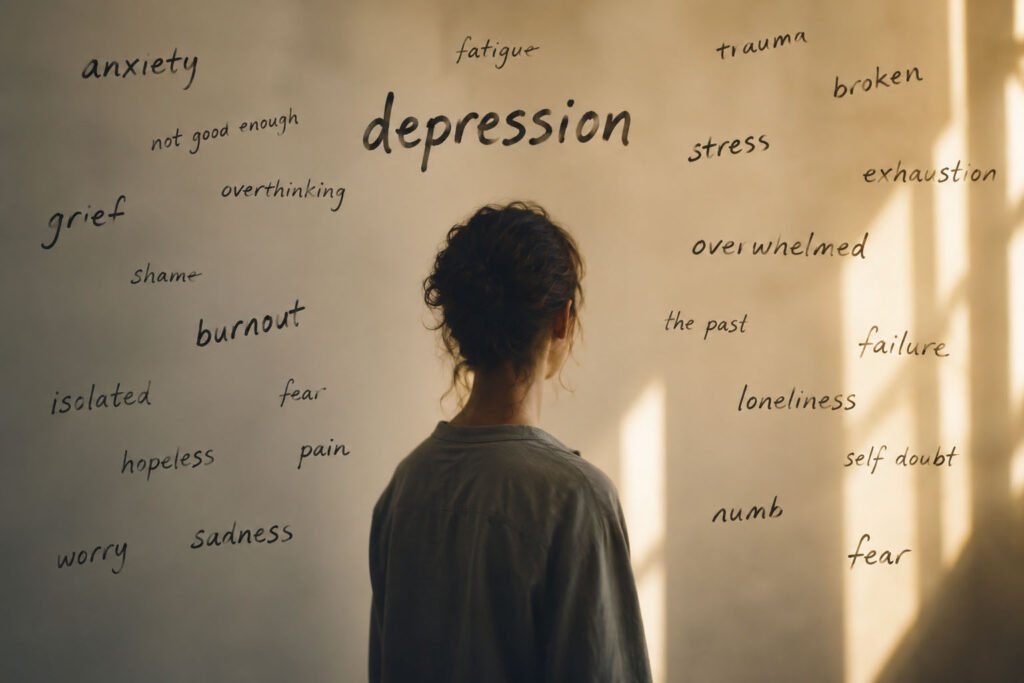
For many people, ketamine initially provides something they have struggled to find elsewhere. It may quieten relentless thinking, create distance from emotional pain or briefly remove the pressure of being themselves. It may provide pleasure, novelty or a feeling of connection within a social group. It may make loneliness feel less sharp or allow someone to switch off after a difficult day.
At first, the person may use only occasionally. They still experience the decision as entirely voluntary. Ketamine is something they do rather than something they need.
The pattern can begin to change when ketamine becomes attached to a particular emotional function.
A person who discovers that ketamine rapidly reduces anxiety may begin using whenever anxiety rises. Someone who feels empty or emotionally numb may use it to feel something different. A person carrying unresolved trauma may value the sense of distance it creates between them and painful memories. Another may use because ordinary life feels repetitive and ketamine offers an immediate change in consciousness.
The brain learns quickly from relief. When a behaviour removes distress, even temporarily, that behaviour becomes more likely to be repeated.
This is why addiction is not always about chasing pleasure. Sometimes it is about escaping discomfort.
Over time, the person may stop asking, “Would I enjoy taking ketamine?” and begin asking, often without realising it, “How else am I going to get through this evening?”
The Main Risk Factors for Ketamine Addiction
There is no single type of person who becomes addicted to ketamine, and there is no such thing as one simple “addictive personality.”
Dependence usually develops through an interaction between the person, the substance and the circumstances in which it is used.
Frequency matters. The more often ketamine is used, the more opportunities the brain has to associate it with relief, pleasure or escape. Easy access also matters. A substance that is readily available can become part of an everyday routine far more easily than something encountered only occasionally.
The reason for using can be particularly important. Someone who takes ketamine a few times a year in a social setting may face a different level of risk from someone who begins taking it alone every evening to manage sadness, anxiety, boredom or intrusive memories.
Depression, trauma, chronic stress, loneliness and difficulty regulating emotion can all increase vulnerability. So can an existing pattern of relying on substances to alter or suppress internal states.
Social circumstances also shape risk. Regular use may become normal within a friendship group. The person may no longer receive much feedback that their behaviour is unusual or dangerous. When their social life revolves around ketamine, stopping can mean risking not only the drug but also their sense of belonging.
Impulsivity, untreated mental-health difficulties, a lack of structure and limited access to healthier sources of reward may also contribute.
None of these factors means that addiction is inevitable. They help explain why the same substance can occupy a very different place in different people’s lives.
What Ketamine Does to the Brain
Ketamine acts mainly on the brain’s glutamate system, including receptors known as NMDA receptors. However, its effects are complex and are not adequately explained by one chemical pathway.
When ketamine is used repeatedly, one of the most important changes is not simply what the drug does to a receptor. It is what the brain learns about the drug.
If ketamine reliably produces relief, dissociation, pleasure or emotional distance, the brain begins to treat it as valuable. It learns that ketamine is an efficient answer to particular internal states.
This learning can become attached to cues. A room, a particular group of friends, music, being paid, an argument, a difficult memory or simply a certain time in the evening may begin to trigger craving.
The trigger does not always appear as a conscious thought. The person may suddenly feel restless or unsettled. They may begin contacting someone who can supply ketamine before fully acknowledging what they are doing.
Repeated non-medical use has been associated with changes in systems involved in reward, motivation, memory, decision-making and emotional regulation. The precise extent of those changes, and how completely they recover after stopping, varies between people and remains an active area of research. (GOV.UK)
It is common to hear addiction described as the brain being “rewired.” That phrase can sound permanent and hopeless. A more accurate way to understand it is that repeated use trains the brain to expect ketamine in response to particular feelings and situations.
Recovery involves gradually weakening those learned connections and building alternative responses that can compete with them.
Pleasure, Relief and Habit
Three overlapping processes can help explain why ketamine use becomes difficult to control.
The first is reward. Ketamine may initially produce pleasure, fascination, emotional release or an unusual sense of freedom. The brain records the experience as something worth repeating.
The second is relief. A person may use ketamine because it removes an unwanted state. They feel less anxious, less ashamed, less lonely or less aware of emotional pain. In behavioural terms, removing distress is strongly reinforcing.
The third is habit. Repeated behaviours require less conscious decision-making over time. The sequence becomes familiar: distress arises, ketamine comes to mind, the person obtains it, and use follows.
Once that sequence is well established, telling someone to “make a better decision” misses part of what is happening. The opportunity for reflection may have become very brief. The behaviour can feel almost automatic.
The person may still understand the long-term consequences. They may be frightened by them. But knowledge about tomorrow often struggles to compete with the promise of immediate relief.
Tolerance: Why Use Often Escalates
With repeated exposure, the same amount of ketamine may no longer produce the same effect.
The person may begin taking larger quantities, redosing more often or using on additional days of the week. What was once occasional can become a weekend pattern, then an evening pattern, and eventually something that begins in the morning.
Tolerance creates a particularly destructive situation. The desired psychological effect becomes harder to achieve, while the risks to the bladder, urinary system, liver and other parts of the body continue to accumulate.
The person may therefore be taking more while receiving less pleasure or relief.
By the time dependence is established, many people are no longer having the experience they originally valued. They may spend increasing amounts of money trying to recreate an earlier feeling that now appears only briefly, if at all.
The drug gradually changes from something that adds to life into something needed to make life feel tolerable.
Why Can’t Someone Just Stop?
From the outside, the answer can seem obvious. If ketamine is causing pain, debt, secrecy and fear, why not stop taking it?
The difficulty is that the person is not making that decision from a neutral emotional position.
Ketamine may have become their most reliable method of changing how they feel. When they stop, they do not simply lose the drug. They lose the strategy they have been using to manage anxiety, trauma, loneliness, boredom or emotional overload.
The original distress may return. It may also be joined by craving, poor sleep, irritability, low mood and shame about what has happened.
Triggers remain present. The person may still live near their supplier, spend time with people who use or return every evening to the room in which they usually take ketamine. They may receive their wages and immediately think about buying it. A conflict, a lonely weekend or a period of insomnia may reactivate the entire pattern.
It is possible for someone to mean sincerely that they will stop and then use again a few hours later. That does not necessarily mean the earlier promise was a lie.
Human intention changes under pressure. When craving rises, the immediate consequences of not using can feel more real than the future consequences of continuing.
The addicted person may not experience the choice as ketamine versus a healthy, contented life. In the moment, it may feel more like ketamine versus an internal state they do not believe they can endure.
What Does Ketamine Withdrawal Feel Like?
Ketamine withdrawal is usually described as being more psychological and behavioural than the withdrawal associated with alcohol, benzodiazepines or opioids.
That should not be mistaken for saying it is easy.
People stopping frequent ketamine use commonly report powerful craving, low mood, anxiety, irritability, restlessness and difficulty sleeping. Fatigue, poor concentration and a reduced ability to experience pleasure may also occur.
A 2025 study of people with ketamine use disorder found that craving was the most commonly reported withdrawal symptom. Low mood, anxiety, irritability, sleep disturbance, fatigue and insomnia were also frequently reported. Some participants described physical symptoms including sweating, shaking and palpitations. (PubMed Central (PMC))
Experiences vary considerably. Someone who has used heavily every day may have a very different withdrawal experience from someone whose use has been less frequent.
Ketamine withdrawal is not generally associated with the same well-established risk of seizures or delirium seen in severe alcohol or benzodiazepine withdrawal. However, that does not mean everybody should attempt to stop without support.
People who are using several substances may face additional risks. Severe depression, suicidal thinking, psychosis, significant physical illness or an unsafe home environment also require professional assessment.
The current evidence on managing ketamine withdrawal remains limited. A systematic review published in 2024 found that research into medications for ketamine use disorder was based mainly on small studies and case reports, rather than a strong body of clinical trials. (PubMed)
The Emotional Crash After Stopping
Some people expect that once ketamine leaves their system, they will immediately feel clearer and more like themselves.
The early stages of stopping can feel very different.
Ordinary life may seem flat. Activities that once provided enjoyment may feel unrewarding. Motivation can be poor, and time may seem to move painfully slowly.
Part of this may reflect withdrawal and the brain adjusting to the absence of repeated intense stimulation or relief. Part of it may be the return of difficulties that ketamine had been suppressing.
The person may also be confronting the consequences of their use. There may be debt, damaged trust, work problems, academic difficulties, physical pain or fear about long-term harm. Shame can become particularly intense once the distancing effect of the drug is removed.
This period is a common point of vulnerability. A person may return to ketamine not because they expect a wonderful experience, but because they want temporary relief from the emotional crash.
Recovery can therefore feel worse before it feels better.
This needs to be spoken about honestly. People are more likely to interpret early discomfort as evidence that they cannot cope without ketamine when nobody has prepared them for the fact that adjustment takes time.
Ketamine Addiction Is Not Only a Brain Problem
The brain is important, but addiction cannot be fully understood through neurochemistry alone.
A person may stop using for several weeks and still remain vulnerable if nothing changes in their relationships, routines, emotional coping or sense of purpose.
Treatment needs to ask what ketamine was doing for that particular person.
Did it quieten relentless thoughts? Did it offer escape from memories? Did it make social interaction easier? Did it create a temporary feeling of connection? Did it remove boredom, emptiness or self-criticism?
These questions are not an attempt to excuse harmful behaviour. They help identify what needs to be replaced.
Removing ketamine without understanding its function can leave a person feeling as though the only effective coping strategy they had has been taken away. They may understand intellectually that the drug was damaging them while still feeling emotionally unprepared to live without it.
Recovery becomes more stable when the person develops other ways to regulate emotion, tolerate discomfort, experience reward and seek support.
Stopping the drug matters. Understanding the job it was doing is often what makes stopping sustainable.
The Physical Harms of Repeated Ketamine Use
One of the most serious consequences of frequent ketamine use is damage to the bladder and urinary system.
Ketamine-associated cystitis can cause urinary urgency, frequent urination, pain, reduced bladder capacity and blood in the urine. Some people begin waking repeatedly through the night or needing to urinate every few minutes. In severe cases, damage may extend to the ureters and kidneys.
The pain can become extreme.
There is a particularly cruel cycle in which someone continues using ketamine to distance themselves from discomfort even though ketamine is contributing to the pain they are trying to escape.
People may also experience severe abdominal pain, sometimes informally called “K cramps.” Longer-term use has been associated with injury involving the liver and bile ducts as well as the urinary tract and kidneys. The Advisory Council on the Misuse of Drugs’ 2026 review described significant bladder, urinary, renal, abdominal, liver and biliary harms associated with sustained ketamine use. (GOV.UK)
Memory, concentration and mental clarity may also be affected, particularly with frequent heavy use. Intoxication can increase the risk of falls, accidents, poor judgement and vulnerability to harm from other people.
Combining ketamine with alcohol, opioids or other sedating substances can create additional dangers. The person may become less responsive and less able to protect their airway or recognise that they need medical help.
These risks are not included to frighten people for effect. They matter because physical symptoms are sometimes minimised until serious damage has developed.
Persistent bladder pain, blood in the urine, difficulty passing urine, severe abdominal pain or flank pain should not be ignored.
Medical Ketamine Treatment and Recreational Dependence
Supervised ketamine treatment is not equivalent to uncontrolled recreational use.
In a properly structured clinical setting, the dose is known, administration is limited and sessions are scheduled. The person does not decide impulsively to repeat the dose or continue throughout the night. Medical and psychiatric suitability can be assessed, vital signs can be monitored, and treatment can be stopped if concerns emerge.
Where ketamine is administered only at the clinic, the person does not take a supply home. That boundary significantly changes the pattern of access.
The available evidence suggests that clear addiction or dependence is uncommon among patients receiving controlled ketamine or esketamine treatment for depression. A 2025 systematic review found only a small number of reported cases showing clear tolerance or dependence among the populations studied, while the majority did not develop these problems. The authors nevertheless emphasised the importance of continued monitoring, particularly where treatment becomes prolonged or frequent. (PubMed)
Uncommon does not mean impossible.
A responsible service should not claim that therapeutic ketamine carries no addiction risk. It should assess previous substance use, monitor changes in the person’s relationship with treatment and pay attention to requests for escalating doses or increasingly frequent sessions.
A history of ketamine dependence requires particular caution. For some people, re-exposure may reactivate associations, craving or patterns of thinking linked to earlier use. Any decision would need careful specialist assessment rather than a general assumption that a medical setting removes all risk.
Signs That Ketamine Use May Be Becoming a Problem
Ketamine use may be becoming problematic when it occupies more space in a person’s life than they intended.
They may use larger amounts or for longer periods than planned. Attempts to cut down repeatedly fail. Increasing amounts of time may be spent thinking about ketamine, obtaining it, taking it or recovering afterwards.
The person may begin using alone rather than socially. They may feel that they need ketamine to relax, sleep, socialise or cope with emotion. Responsibilities are neglected, and activities that do not involve the drug gradually lose their appeal.
Secrecy often increases. The person may hide quantities, spending or the frequency of use from partners, friends and healthcare professionals.
Physical warning signs may be ignored. They continue using despite urinary pain, abdominal symptoms, poor concentration or awareness that their mental health is becoming worse.
No single sign automatically proves addiction. It is the overall pattern that matters, particularly when control is reducing and harm is increasing.
A useful question is not simply, “How many times a week am I using?” It is, “How much of my thinking, behaviour and emotional life is now organised around ketamine?”
What Treatment for Ketamine Addiction Involves
There is no single medication that reliably removes ketamine addiction.
Treatment begins with understanding the full picture. This may include the amount and frequency of use, other substances being taken, physical symptoms, mental health, suicide risk, living circumstances and previous attempts to stop.
Medical assessment is important where there are bladder, urinary, abdominal, kidney or liver symptoms. Some physical problems require investigation and treatment in their own right. Stopping ketamine does not mean that significant symptoms should simply be watched at home.
Psychological treatment may focus on motivation, triggers, craving, emotional regulation and relapse prevention. The person may need help recognising the sequence that leads from a particular feeling or situation to use.
Treatment should also address underlying difficulties where relevant. Depression, anxiety, trauma, ADHD, loneliness or chronic emotional dysregulation may have existed before the ketamine use began. Leaving these untouched can make recovery harder.
Practical change is equally important. This may involve breaking contact with suppliers, changing routines, managing money differently, reducing contact with people who continue to use and creating plans for high-risk times.
Some people benefit from peer support or community drug services. Others may need more intensive or residential treatment, particularly where use is severe, the home environment is unsafe or repeated community-based attempts have failed.
Research into medication for ketamine use disorder remains limited, so treatment usually cannot be reduced to prescribing another substance that switches off craving. (PubMed)
Recovery often requires medical, psychological, social and practical work happening together.
Recovery: Learning to Live Without the Escape
Stopping ketamine is a significant achievement, but recovery involves more than the absence of the drug.
The person may need to relearn how to experience boredom, anxiety, loneliness and disappointment without immediately trying to leave their internal world.
At first, alternative sources of reward may feel weak by comparison. Exercise, conversation, work, creativity and ordinary pleasure do not usually produce the immediate intensity of a drug. Their value builds more slowly.
Structure helps. So does honest connection with other people.
The person may need to repair relationships, rebuild trust and face financial or occupational consequences. Shame can make this harder. When shame becomes overwhelming, it may push the person back towards the very state of escape they are trying to leave behind.
Compassion does not mean removing responsibility. It means helping the person face what has happened without reducing their identity to the worst period of their addiction.
Relapse can occur. It should be taken seriously, but it does not automatically mean that all previous progress has been lost. It may show that a trigger was underestimated, that support was insufficient or that the person still lacks another way of managing a particular state.
The aim is not merely to close the door that ketamine provided.
It is to help the person build other doors: emotional regulation, meaningful activity, supportive relationships, honesty, self-understanding and a life they feel less desperate to escape from.
When to Seek Urgent Medical Help
Urgent medical assessment is needed when ketamine use is accompanied by severe or worsening bladder, abdominal or flank pain, blood in the urine, or an inability to pass urine.
Confusion, collapse, loss of consciousness, chest pain, serious breathing difficulty or reduced responsiveness after using ketamine also require urgent help.
The risk may be greater when ketamine has been combined with opioids, alcohol, benzodiazepines or other sedating substances.
Severe depression, suicidal thoughts, psychotic symptoms or mania should also be treated as urgent mental-health concerns rather than managed through a website article or an attempt to stop alone.
In the UK, contact NHS 111 for urgent advice when the situation is not immediately life-threatening. Attend A&E or call 999 when there is an immediate danger to life or safety.
Addiction Is Not a Failure of Character
Ketamine addiction is real. It can damage the brain, body, relationships, finances and the structure of everyday life.
But addiction does not develop because somebody is weak, selfish or incapable of change.
It usually develops through repeated learning. Ketamine becomes associated with relief, reward, distance or emotional survival. The more often that association is reinforced, the harder it becomes for intention alone to interrupt it.
This is why the most useful question is often not simply, “Why won’t this person stop?”
A better question is, “What has ketamine come to provide that this person does not yet know how to find elsewhere?”
Stopping remains essential when use is causing harm. But understanding that question can help transform stopping from a short-lived act of willpower into a more sustainable process of recovery.
About This Article
This article provides general educational information about ketamine use, dependence and recovery. It is not intended to diagnose addiction or replace an individual medical or psychological assessment.
Anyone experiencing physical symptoms linked to ketamine, struggling to control their use or experiencing severe mental-health difficulties should seek advice from an appropriately qualified healthcare professional.

WRITTEN BY
Paul Gibson
Psychotherapist and Director of Psychotherapeutic Services at The Emerge Clinic. Paul has more than 15 years’ experience supporting people through depression, anxiety, trauma, and addiction, with a particular interest in ketamine-assisted psychotherapy and psychological integration.
- Medically reviewed by Dr Devany
- August 3, 2026