
Ketamine is a prescription-only medicine that may be prescribed off-label by our medical team following a comprehensive assessment to assist in the psychotherapy.
A 60-Year Story
Ketamine has had four distinct lives: battlefield anaesthetic, paediatric and developing-world workhorse, club drug, and — most recently — one of the most significant advances in psychiatric treatment in a generation. Each chapter is worth knowing. Understanding this history explains both the medicine’s extraordinary potential and the misunderstandings that have surrounded it.
HISTORICALLY ACCURATE
CLINICALLY RELEVANT
REGULARLY REVIEWED

1956: THE PROBLEM THAT LED TO KETAMINE
To understand why ketamine was created, you need to understand what it was created to replace.
In 1956, chemists at Parke-Davis Pharmaceuticals synthesised phencyclidine — known today as PCP, or “angel dust.” PCP had genuine medical promise. As an anaesthetic, it produced sedation without suppressing breathing — a significant advantage over the alternatives of the era. It was used in surgery under the brand name Sernyl.
The problem was what happened when patients woke up. The recovery from PCP anaesthesia was, by clinical accounts, alarming. Prolonged agitation. Vivid hallucinations. Disorientation that lasted hours after surgery. Patients were frightened. Surgeons were unsatisfied. Researchers began looking for a compound that retained PCP’s useful anaesthetic properties while producing a calmer, more manageable recovery — the respiratory safety, the cardiovascular stability, the rapid induction — while producing a far more manageable emergence.
That search led to a chemistry consultant named Calvin Stevens, and the molecule that would eventually be called ketamine.
The goal was not to create a new psychiatric medicine. The goal was a better anaesthetic with fewer side effects than PCP. What followed was sixty years of unexpected chapters.
The Timeline
1962
In 1962, Calvin Lee Stevens — a professor of chemistry at Wayne State University and consultant to Parke-Davis — synthesised a new compound as part of a systematic effort to find a safer PCP derivative. It was designated CI-581. Animal testing showed immediate promise: effective sedation, cardiovascular stability, preserved respiratory function, and a substantially more manageable recovery profile than PCP.
The first human dose was administered on August 3, 1964, by Dr Edward Domino and Dr Guenter Corssen at the University of Michigan. The results confirmed what the animal data suggested: CI-581 was a highly effective anaesthetic with a safety profile that PCP had never achieved. It was Domino’s wife who coined the term that would stick: “dissociative anaesthesia.” The compound was named ketamine — from the ketone and amine groups in its chemical structure — and patented in 1966.
What Domino and Corssen also noted, and what would become clinically significant decades later, was that some volunteers reported unusual psychological experiences during recovery — a sense of detachment from the body, vivid imagery, altered perception of time. These were documented with interest, and then largely set aside.
1970
Ketamine was approved by the US FDA in 1970 as an anaesthetic for both human and veterinary use. Its unique profile — potent analgesia, cardiovascular stability, preserved airway reflexes — made it invaluable in military medicine. During the Vietnam War, it was used extensively as a battlefield anaesthetic, particularly in forward surgical units where conditions were austere and patients were critically injured.
1970s–1980s
From the 1970s onwards, ketamine became a cornerstone medicine in paediatric anaesthesia. Decades of research and clinical experience have since confirmed its safety and effectiveness in children — in the operating theatre, emergency medicine, and intensive care. It is now listed on the WHO Model List of Essential Medicines.
In parallel, ketamine became one of the most widely used anaesthetics in low-resource and developing-world settings. It did not require sophisticated equipment. It could be given intramuscularly. It was stable in high temperatures. For millions of people who would otherwise have had no access to surgery or emergency care, ketamine made modern medicine possible.
1990s–2000s
In the 1990s, ketamine began to appear in club and party scenes. Used recreationally, typically in high doses, it produced dissociation, euphoria and altered states of consciousness. For many years, this underground use shaped public perception, and ketamine became associated with misuse, dependence and harm. These concerns are valid — but they say nothing about ketamine’s medical applications within a professional clinical context.
2000s–Today
In the early 2000s, researchers began systematically studying ketamine’s antidepressant effects. What emerged was remarkable: a single subanaesthetic dose could produce rapid improvement in depression symptoms — often within hours — even in people who had not responded to multiple antidepressant trials. This was not just symptom relief. It was a different mechanism, working through glutamate, not monoamines.
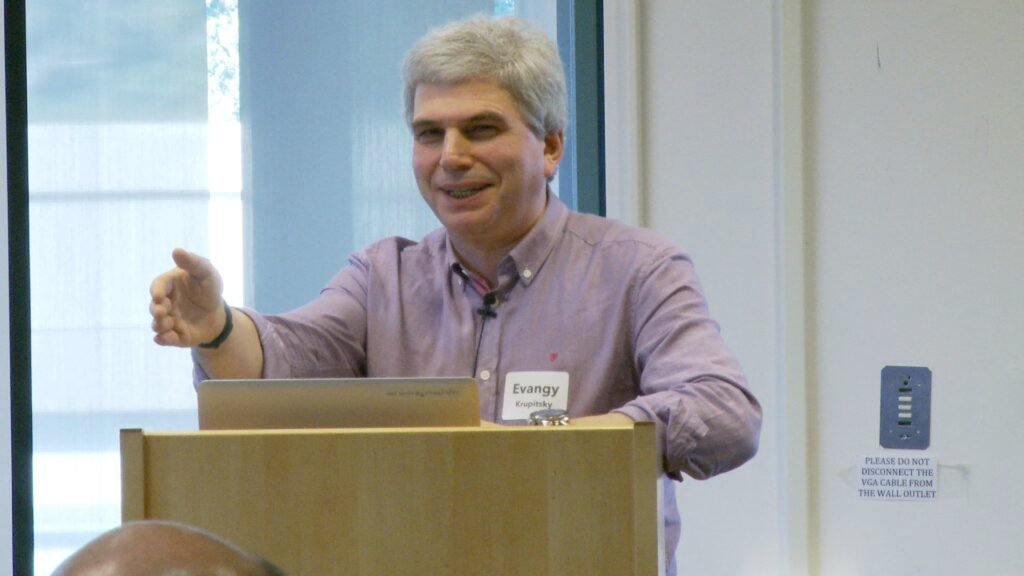
At the same time, Russian psychiatrist Dr Boris Krupitsky was pioneering ketamine-assisted psychotherapy, demonstrating that when ketamine is combined with skilled psychotherapeutic work, the medicine can open a window for deep psychological insight and lasting change.
What began as a search for a safer anaesthetic has become one of the most important advances in psychiatry in decades.
Paediatric, Neonatal and Developing-World Pioneer
While much of the early attention on ketamine focused on battlefield medicine and surgery, an equally important story was unfolding in children’s hospitals and neonatal units around the world.
Ketamine proved to be safe and effective in paediatric anaesthesia. It became one of the most studied and trusted medicines in paediatric practice.
In neonatal medicine, ketamine has been used for decades in painful procedures, sedation and anaesthesia. It is particularly valuable in low-resource settings where equipment, ventilators and monitoring may be limited — because ketamine supports breathing and circulation even when other options are not available.
The WHO includes ketamine on its Model List of Essential Medicines, recognising its continuing importance to healthcare systems around the world. It reflects a simple reality: ketamine has improved and saved — countless lives in settings where modern medicine is hardest to deliver.
The Recreational Era: Misuse and Misunderstanding
From the 1990s, ketamine appeared in dance music and club culture. Used recreationally — often in high doses — it produced dissociation, sensory distortion and a floating, out-of-body experience.
Recreational use carried risks: bladder toxicity, psychological distress, dependence, accidents and overdose, particularly when combined with other substances. For many years, these harms dominated the public narrative.
This period matters because it shaped how ketamine was perceived by the public, regulators and sometimes even by clinicians. The medicine’s misuse in uncontrolled settings created legitimate concerns.
Those concerns remain valid. But they are about recreational misuse, not medical use. Ketamine in a clinical setting — at subanaesthetic doses, within a structured therapeutic programme — is a fundamentally different context with a different risk profile and a different purpose.

KRUPITSKY AND THE EARLY DEVELOPMENT OF KETAMINE PSYCHEDELIC THERAPY
From the late 1980s onwards, Russian psychiatrist Dr Evgeny Krupitsky and his colleagues began combining ketamine with structured psychotherapy in the treatment of alcohol dependence.
Their approach, known as ketamine psychedelic therapy, used ketamine not simply as a medicine to reduce symptoms, but as part of a carefully prepared therapeutic process. Sessions were supported psychologically and followed by work intended to help patients understand and integrate what they had experienced.
Published findings in the 1990s reported higher long-term abstinence among people receiving ketamine psychedelic therapy than among those receiving conventional treatment. Krupitsky later extended this work into heroin dependence, including randomised trials and research comparing single with repeated sessions.
His work helped establish an idea that remains central to ketamine-assisted psychotherapy today: the medicine may create an unusual psychological opening, but what happens around that experience—the preparation, therapeutic relationship and integration—can be equally important.
The club-scene section is broadly sound. Recreational ketamine use existed earlier, but its association with rave and club culture became particularly visible from the late 1980s into the 1990s. The risks named—dependence, psychological distress, accidents and bladder toxicity—are legitimate, although it would be wise to distinguish sustained high-frequency misuse from controlled medical use
His work helped establish an idea that remains central to ketamine-assisted psychotherapy today: the medicine may create an unusual psychological opening, but what happens around that experience—the preparation, therapeutic relationship and integration—can be equally important.
The Yale Study and the Psychiatric Mainstream
Early controlled studies showed that a single sub-anaesthetic ketamine infusion could reduce depressive symptoms within hours in some people, including those whose depression had not responded sufficiently to previous treatment.
The larger 2013 two-site randomised trial strengthened that evidence by comparing ketamine with an active control. By then, ketamine had moved from an unexpected clinical observation to a serious and rapidly expanding area of psychiatric research.
2019 and the Present: A New Era
In March 2019, the FDA approved esketamine nasal spray, marketed as Spravato, for adults with treatment-resistant depression. It was the first ketamine-derived medicine to receive regulatory approval specifically for a psychiatric condition.
Since then, research and clinical provision have expanded internationally. Ketamine is now taken seriously as a rapid-acting treatment option for difficult-to-treat depression, while questions about maintenance, patient selection, different routes of administration and the contribution of psychotherapy remain under active investigation.