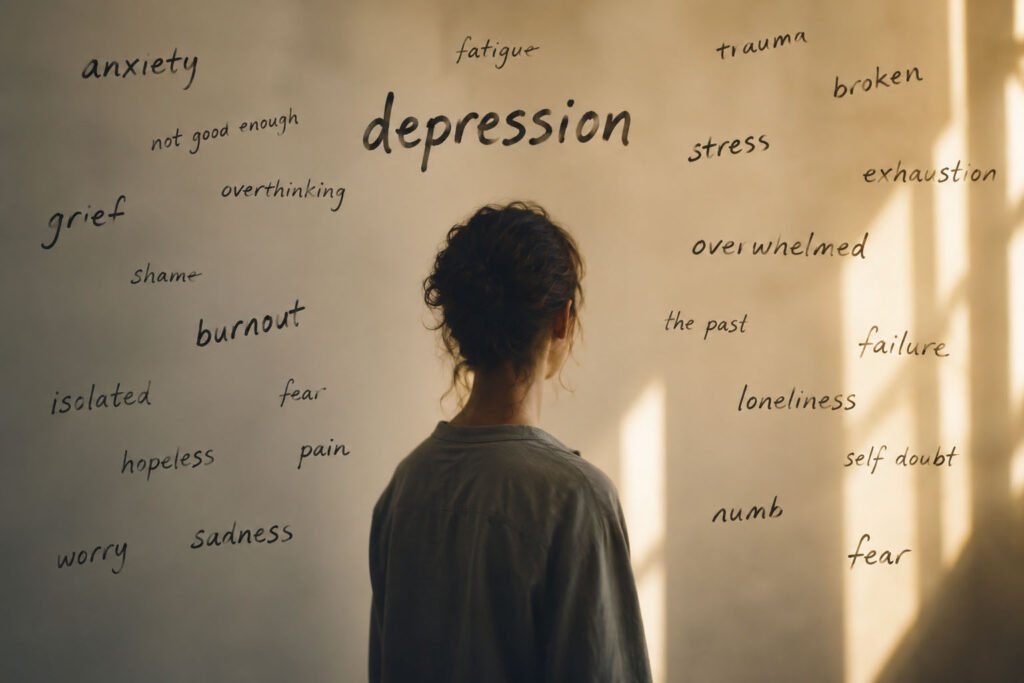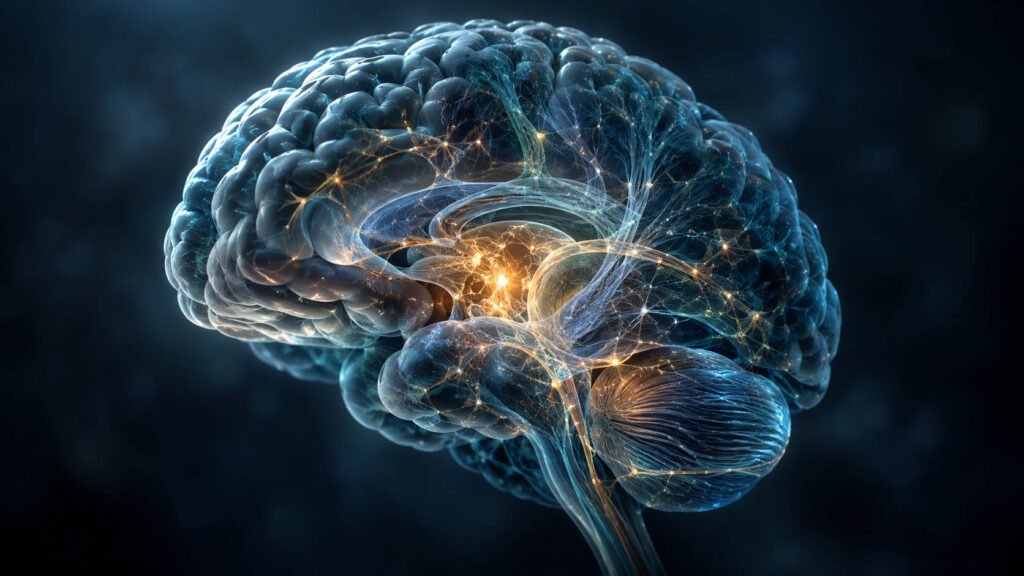
Ketamine has attracted considerable scientific interest because of its ability to produce rapid improvements in depressive symptoms, sometimes within hours of administration. Unlike conventional antidepressants, which typically require several weeks before their full effects become apparent, ketamine appears to influence certain processes involved in depression much more quickly. Yet despite years of research, scientists are still working to understand precisely how these changes occur.
New research from the University of Oxford has provided another piece of this puzzle, identifying a possible relationship between ketamine and the way the brain responds to negative experiences. Rather than focusing exclusively on the neurotransmitters and molecular pathways traditionally associated with antidepressant treatment, the researchers investigated a small brain region involved in processing disappointment, unpleasant outcomes and negative expectations.
Their findings raise an interesting possibility: ketamine may temporarily reduce the intensity with which the brain responds to certain negative experiences. Although the study does not establish that this mechanism is responsible for ketamine’s antidepressant effects, it offers another perspective on how the treatment might influence emotional processing.
For those interested in the psychological dimensions of depression, the research also raises broader questions about how negative expectations develop, why they can become so persistent, and whether changes in emotional processing might create opportunities for psychological change.
The Habenula: How the Brain Processes Disappointment
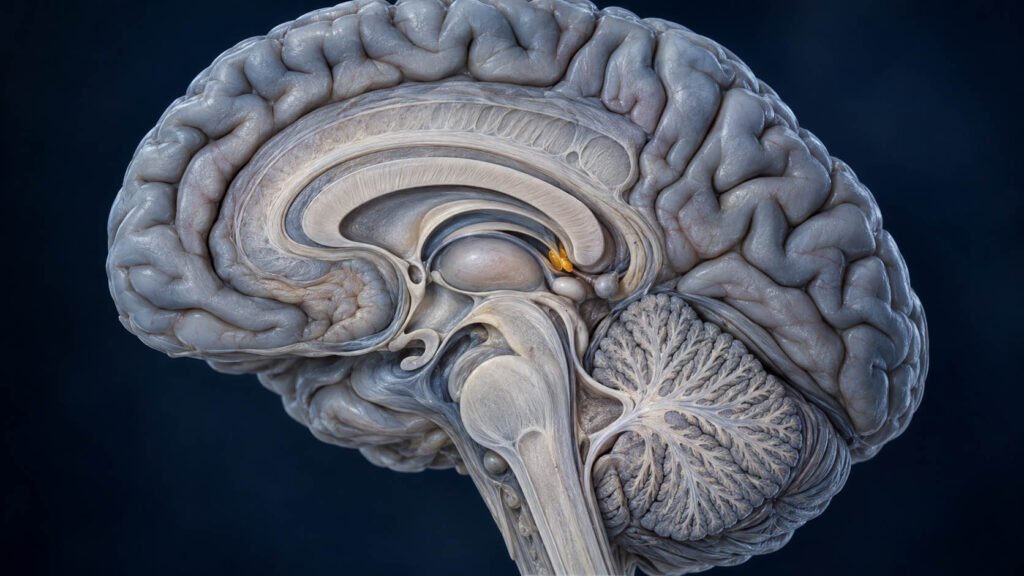
Deep within the brain lies a small structure called the habenula. Although relatively unfamiliar outside neuroscience, it plays an important role in the networks involved in motivation, learning, reward and emotional responses.
The habenula helps the brain respond to experiences that are unpleasant or turn out worse than expected. It is involved in signalling negative outcomes and influencing the systems that regulate motivation and behaviour. In everyday terms, it contributes to the processes through which we learn that certain experiences are disappointing, unrewarding or best avoided.
This is an essential function. The ability to recognise unpleasant experiences and adapt our behaviour accordingly helps us navigate the world. However, researchers have become increasingly interested in whether altered activity within these networks might contribute to depression.
Depression is frequently associated with a reduced ability to experience pleasure, diminished motivation and a tendency to anticipate negative outcomes. Some people describe feeling that nothing will improve, even when their circumstances change. Others find themselves repeatedly expecting disappointment or interpreting ambiguous situations through a negative emotional lens.
Animal research has suggested that excessive activity in the lateral habenula may contribute to depression-related behaviours, while reducing that activity can produce antidepressant-like effects. These findings have encouraged researchers to investigate whether similar mechanisms operate in humans.
Importantly, the habenula is not literally a single ‘disappointment centre’, as some headlines have described it. Emotional experiences arise through interactions between multiple brain regions and networks. Nevertheless, its involvement in processing negative outcomes makes it a particularly interesting structure to investigate in relation to depression.
What the Oxford Researchers Discovered
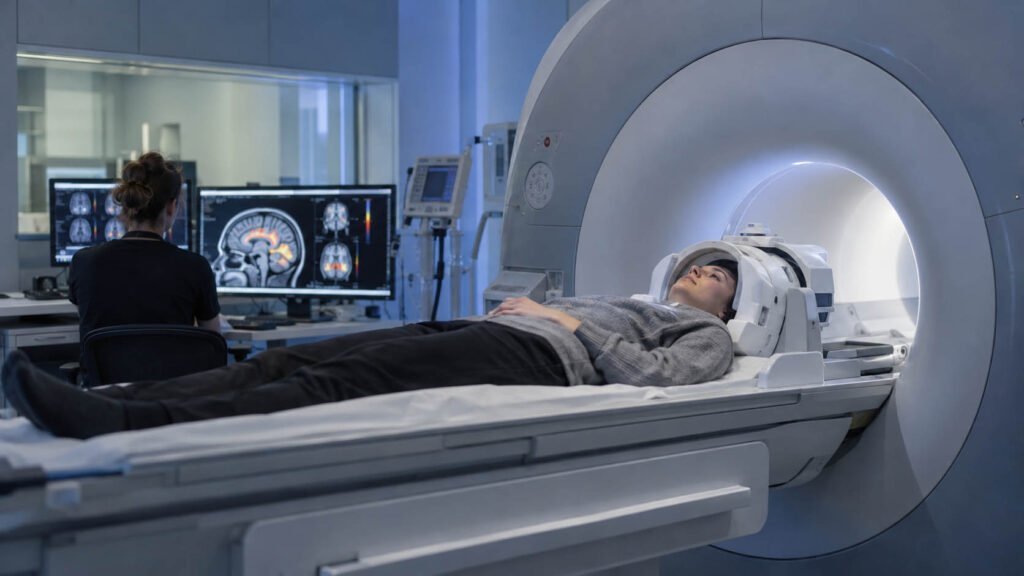
The study, published in Current Biology in September 2026, involved 70 healthy adult volunteers who were randomly assigned to receive either an intravenous ketamine infusion at 0.5 mg/kg or a placebo. Twenty-four hours later, the researchers examined their brain activity using high-resolution functional magnetic resonance imaging (fMRI).
During the scanning procedure, participants completed a learning task involving cues that predicted unpleasant outcomes, including mild electrical stimulation to the hand. This allowed researchers to observe how the brain responded both to the anticipation of an unpleasant experience and to the experience itself.
The results showed that participants who had received ketamine exhibited reduced activity in the habenula during the anticipation and occurrence of unpleasant events. This was significant because it demonstrated that ketamine could influence the processing of negative experiences in the human brain, consistent with findings from earlier animal research.
Perhaps more intriguing was the preliminary evidence concerning emotional memory. The researchers observed indications that reduced habenula activity during negative learning might influence how those experiences were subsequently remembered, potentially diminishing their unpleasant emotional impact.
These findings suggest that ketamine’s effects may extend beyond the immediate period during which someone experiences the drug’s psychoactive properties. Changes in the brain’s response to negative information were detectable a full day after administration.
The study does not establish that these changes cause improvements in depression, but it provides a valuable foundation for investigating whether altered emotional learning contributes to ketamine’s antidepressant effects.
When the Brain Becomes Accustomed to Expecting the Worst
One of the more challenging aspects of persistent depression is that it can influence not only how someone feels, but also how they interpret what happens around them. Experiences are rarely processed in isolation. We understand them through the expectations, memories and emotional associations accumulated throughout our lives.
Someone who has repeatedly experienced rejection, for example, may gradually develop an expectation that other people will disappoint or abandon them. An unanswered message might be interpreted as evidence of rejection, even when there are several perfectly ordinary explanations. Similarly, someone who has experienced repeated failures or disappointments may struggle to recognise opportunities or positive developments because they have come to expect that things will go wrong.
These responses are not necessarily conscious decisions. They can develop through years of emotional learning, becoming increasingly automatic and difficult to challenge. In depression, this can contribute to a self-reinforcing pattern in which negative expectations influence how experiences are interpreted, and those interpretations subsequently strengthen the original expectations.
Psychotherapy frequently involves helping people recognise these patterns and understand how they developed. For some individuals, their expectations are closely connected to childhood experiences, difficult relationships or significant losses. For others, they may have emerged gradually through prolonged periods of depression, stress or repeated disappointment.
An important distinction is that understanding a pattern intellectually does not always change the emotional response associated with it. Someone may recognise that their fear of rejection is disproportionate to the situation, yet still experience the same immediate feelings of anxiety, sadness or inadequacy.
This is where the Oxford findings become particularly interesting. If ketamine can alter how the brain responds to negative experiences, it raises questions about whether those changes might influence the emotional learning processes that help maintain certain depressive patterns. The study did not investigate these longstanding psychological beliefs directly, but it identifies a biological mechanism that may be relevant to understanding them.
Could Ketamine Change How We Experience Negative Emotions?
The possibility that ketamine influences negative emotional processing is especially interesting because depression involves more than low mood. It can affect attention, memory, motivation and the ability to respond flexibly to new information.
People experiencing depression may find that negative events carry disproportionate emotional weight, while positive experiences have relatively little lasting impact. Even when something encouraging happens, the emotional benefit can be fleeting or overshadowed by an expectation that the improvement will not last.
The Oxford findings suggest that ketamine may reduce the neural response associated with anticipating and experiencing unpleasant outcomes. If similar effects occur in people with depression, they could potentially contribute to a change in how negative information is processed.
This does not mean that ketamine eliminates negative emotions or prevents people from recognising genuinely unpleasant experiences. Negative emotions serve important psychological functions, and the aim of effective treatment is not to remove someone’s ability to feel disappointment, sadness or fear.
Instead, the more interesting possibility is that ketamine may influence the intensity or significance assigned to certain negative experiences. An event that would ordinarily reinforce an established negative expectation might be processed differently, potentially allowing other interpretations or responses to become more accessible.
It is important to distinguish this possibility from the findings themselves. The researchers demonstrated reduced habenula activity during a controlled learning task in healthy volunteers. Whether this translates into meaningful changes in entrenched depressive thinking, emotional responses or everyday behaviour remains an open question.
Nevertheless, the research contributes to a developing understanding of ketamine as a treatment whose effects may involve changes in emotional and cognitive processing alongside its better-known actions on glutamate signalling and neural plasticity.
Where Psychotherapy and Integration May Fit
Although the Oxford study did not investigate psychotherapy, its findings raise questions about the relationship between biological changes and psychological change.
In psychotherapy, much of the work involves helping people recognise, understand and gradually modify established emotional responses. Someone who has spent much of their life feeling inadequate may have developed a powerful expectation of criticism or rejection. Even when they consciously understand where these feelings originated, the emotional response can remain deeply ingrained.
Changing these patterns often requires more than insight alone. New emotional experiences, different responses to familiar situations and repeated opportunities to challenge established expectations can all contribute to lasting psychological change.
From a therapeutic perspective, one of the interesting questions surrounding ketamine is whether its effects on emotional processing and neuroplasticity might create conditions in which some of this psychological work becomes more accessible.
For example, if a person becomes temporarily less reactive to negative emotional information, they may find it easier to examine experiences that would ordinarily provoke overwhelming feelings of shame, fear or hopelessness. They might become more receptive to alternative interpretations or more able to recognise that an established expectation does not necessarily reflect their present circumstances.
These possibilities are consistent with some of the broader theoretical thinking surrounding ketamine-assisted psychotherapy, but they should not be confused with established conclusions from the Oxford research.
The study did not demonstrate that ketamine facilitates trauma processing, changes deeply held beliefs or improves psychotherapy outcomes. Nor did it establish that reduced habenula activity creates a specific therapeutic window in which psychological interventions become more effective.
What it does provide is another potential explanation for why emotional experiences and expectations may sometimes feel different following ketamine administration.
This distinction is important when considering psychological integration. Integration is concerned with helping individuals reflect on their experiences, understand any changes in perspective and consider how those insights might be incorporated into everyday life.
A person might recognise an established pattern of self-criticism, for example, but maintaining a different relationship with themselves requires opportunities to practise new responses beyond the treatment setting. Similarly, recognising that a longstanding expectation of rejection may not always be justified is only the beginning of developing greater emotional flexibility in relationships.
Whether ketamine’s influence on negative emotional learning can directly support these processes remains to be established. However, the relationship between changes in brain function and the psychological work required to sustain meaningful change is an important area for future research.
What the Research Doesn’t Tell Us Yet
As promising as the findings are, several limitations need to be considered.
The most significant is that the participants were healthy volunteers rather than individuals experiencing depression. Although the researchers demonstrated that ketamine altered habenula activity, they could not determine whether this change was associated with an improvement in depressive symptoms.
The study also examined responses to a specific experimental learning task. Anticipating a mild electrical stimulus in a laboratory is considerably different from living with the complex emotional experiences associated with depression, trauma or longstanding negative beliefs.
Another important question concerns how long these changes persist. The researchers identified altered habenula responses 24 hours after ketamine administration, but this does not establish the duration of the effect or whether repeated treatment produces different outcomes.
It also remains unclear how much of ketamine’s antidepressant action can be attributed to changes in the habenula compared with its effects on other brain regions and biological processes. Depression involves complex interactions between neural circuits, psychological experiences and environmental factors, making it unlikely that a single brain structure can explain the condition or its treatment.
The researchers themselves recognise these limitations. Their next planned investigation will examine whether similar changes occur in people with depression who have not responded adequately to conventional antidepressant treatments.
A Developing Understanding of Depression
One of the most valuable aspects of this research is that it encourages us to consider depression not simply as a persistent state of low mood, but as a condition that can influence how the brain learns from, anticipates and responds to experience.
For someone living with longstanding depression, the difficulty may not be limited to feeling unhappy. Their emotional world may have become increasingly organised around expectations of disappointment, failure or rejection. Positive experiences can become difficult to absorb, while negative experiences continue to reinforce familiar beliefs.
The Oxford study offers preliminary evidence that ketamine can influence one of the neural systems involved in processing unpleasant experiences. Although further research is required to establish its clinical significance, the findings contribute to a more detailed understanding of how biological interventions might affect the psychological processes associated with depression.
They also highlight the importance of continuing to investigate the relationship between neuroscience and psychotherapy. Biological changes and psychological experiences are not separate phenomena. Our experiences influence the brain, just as changes in brain function can influence how we experience ourselves and the world around us.
Understanding how these processes interact may eventually help researchers identify not only why ketamine produces rapid antidepressant effects in some individuals, but also how those improvements might be supported and maintained.
For now, the findings represent an important step forward rather than a definitive explanation. They remind us that depression involves much more than the presence of negative feelings. It can also involve the ways in which negative experiences are anticipated, interpreted, remembered and carried forward into the future.
And understanding those processes may prove increasingly important in developing more effective approaches to treatment.
Research reference
Pulcu, E., Costi, S., Artiach-Hortelano, P., et al. (2026). Ketamine attenuates habenula activity in response to aversive outcomes during Pavlovian learning. Current Biology.

WRITTEN BY
Paul Gibson
Psychotherapist and Director of Psychotherapeutic Services at The Emerge Clinic. Paul has more than 15 years’ experience supporting people through depression, anxiety, trauma, and addiction, with a particular interest in ketamine-assisted psychotherapy and psychological integration.
- Medically reviewed by Dr Devany
- October 8, 2026